Board election 2026 candidates

From 55 applications, our Nominating Committee put forward the following ten candidates for the seven seats open for election to the Crossref Board of Directors. We will elect one large member seat and six small/midsized member seats. Please read their candidate statements below.

If you are a voting member of Crossref your ‘voting contact’ will receive an email September 21st from eBallot. Please follow the instructions in that email which includes relevant election process and policy information and a unique link to cast your vote.

Tier 1, Small and mid-sized members (electing six seats)

Member organisationCandidate standingTitleOrg typeCountry
HEC MontrealBernard BizimanaDirector - HEC Montréal LibraryUniversityCanada
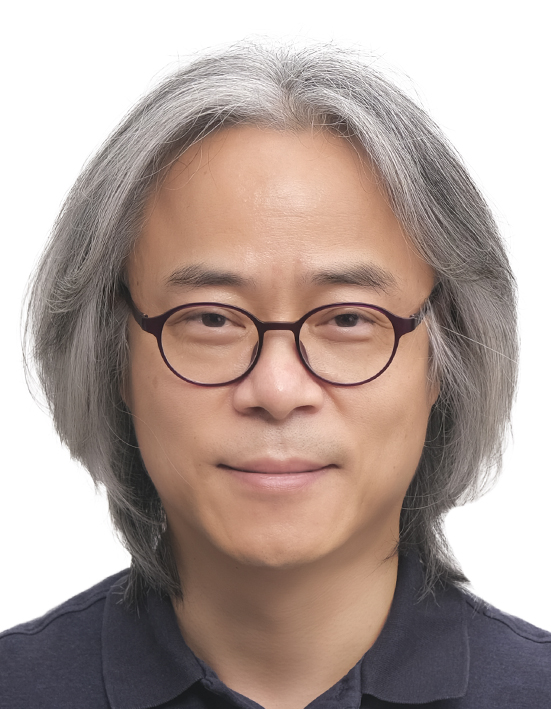
Korean Council Of Science Editors (KCSE)Cheol-Heui YunPresidentSocietyRepublic of Korea
OpenEditionMarin DacosSenior Advisor and National Open Science CoordinatorPublisherFrance
PonteditoraEduardo de Almeida LeiteDirector and FounderPublisherPortugal
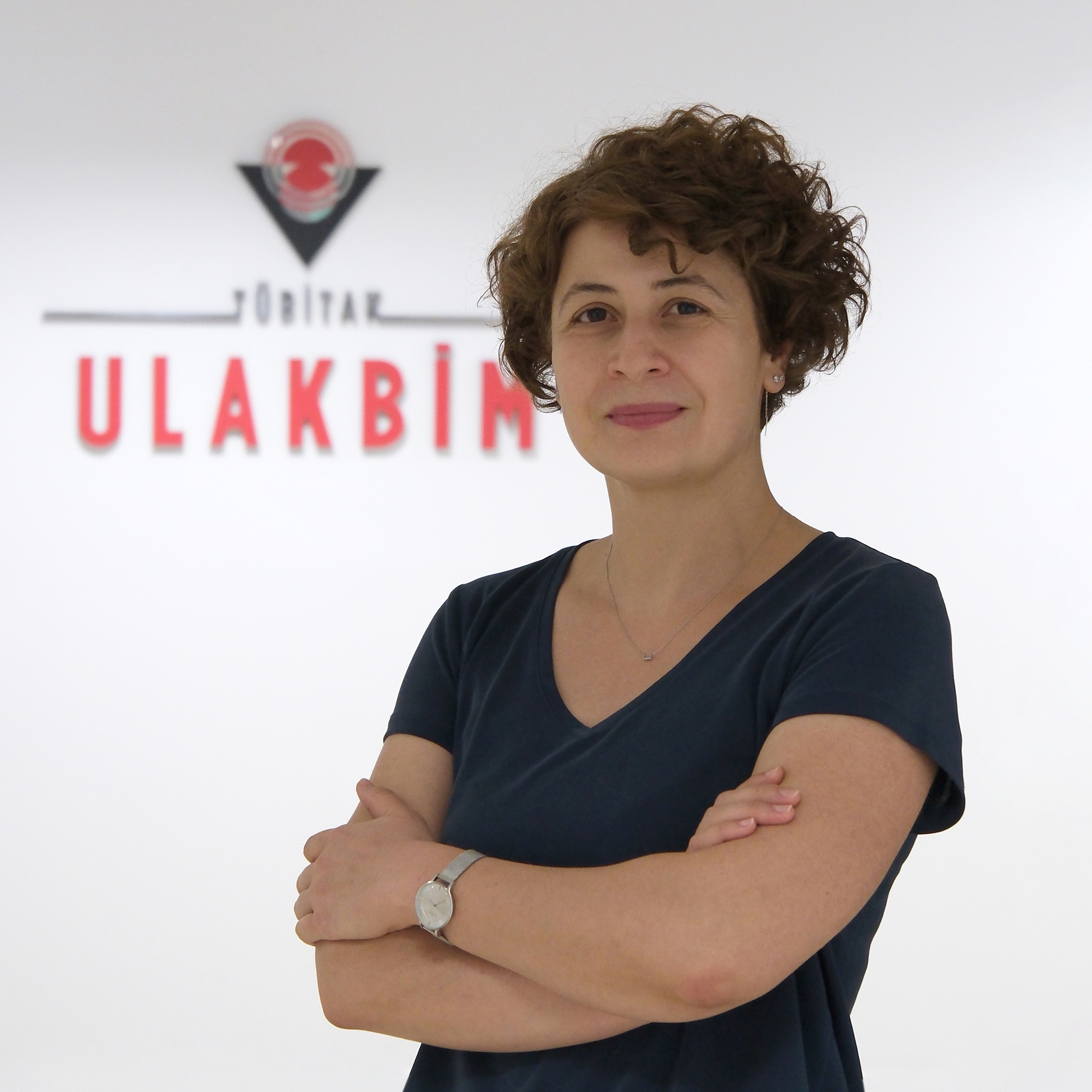
The Scientific And Technological Research Council Of TurkeyPinar DĂŒndarAcademic Journals Group Coordinator; Chief Expert ResearcherGovt agency/NGOTĂŒrkiye
Universitas Muhammadiyah SidoarjoMochammad Tanzil MultazamLibrary DirectorUniversityIndonesia
Vilnius University PressVincas GrigasHead of Scholarly JournalsPublisherLithuania

Tier 2, Large members (electing one seat)

Member organisationCandidate standingTitleOrg typeCountry
Minerals Research Institute of Western AustraliaNicole RoockeChief Executive OfficerResearch FunderAustralia
openRxivRichard SeverChief Science & Strategy OfficerPublisherUS
Oxford University PressJames PhillpottsDirector of Transformation & StandardsPublisherUK

Tier 1, Small and mid-sized members (electing six seat)

Bernard Bizimana, HEC Montréal

Canada

Candidate, organisation
+- Bernard Bizimana's statements

Personal statement

As a library director committed to advancing equitable access to knowledge, I see my contribution to Crossref as directly aligned with its mission to provide persistent, authoritative, and reliable DOI links to primary scholarly content. Crossref’s infrastructure is essential to the integrity of scholarly communication, and I recognize the crucial role it plays in ensuring that researchers can trust the connections between citations, metadata, and the works they reference.

My contribution would focus on bringing the perspective of libraries—key intermediaries in the research ecosystem—into Crossref’s ongoing strategic and operational discussions. I would advocate for high quality metadata, interoperability, and long term sustainability, all of which are foundational to effective discovery and citation practices. Drawing on my experience supporting researchers’ evolving needs, I would help promote the adoption of best practices in persistent identification and encourage deeper integration of Crossref services within library systems and research workflows.

I would also work to strengthen collaboration among publishers, content providers, institutions, and scholarly communities, recognizing that Crossref’s success depends on the active participation of all stakeholders. By championing openness, transparency, and resilience, I aim to contribute to the preservation and enhancement of an infrastructure that the global research community relies on every day.

Ultimately, my role would be to support and help sustain Crossref’s mission for the long term, ensuring that researchers continue to benefit from a robust, trustworthy, and interconnected scholarly environment.

Organisation statement

HEC MontrĂ©al is a leading North American business school with an international reputation for excellence in teaching, research, and knowledge dissemination in management. For the past three years, we have been a proud member of Crossref, convinced of the essential role this infrastructure plays in enhancing the visibility, reliability, and accessibility of the scholarly output produced at our institution. Our commitment to disseminating high quality management research—through few academic journals published at HEC MontrĂ©al—naturally led us to join Crossref and to actively support its mission.

HEC MontrĂ©al strongly believes in the coexistence of commercial publishing models and diverse open access initiatives, to which the School contributes in meaningful ways. This balanced and inclusive approach to scholarly communication reflects our broader institutional values. My own background is equally shaped by diversity and international experience. Originally from Africa, I hold an undergraduate degree in Librarianship from the Institut Catholique de Paris, as well as a master’s in Library and Information Science from the UniversitĂ© de MontrĂ©al. To strengthen my professional expertise and better meet the demands of the evolving information society, I later completed both a bachelor’s and a master’s degree in computer science at the UniversitĂ© du QuĂ©bec Ă  MontrĂ©al.

In my leadership roles at HEC Montréal, I am actively involved in initiatives related to diversity and inclusion. With a multidisciplinary academic path and a career situated at the crossroads of European and North American traditions, I am confident that I can bring valuable perspectives and diversity to an international organization like Crossref. My goal is to contribute constructively to its governance and to support the long term sustainability of an infrastructure essential to global scholarly communication.

Please describe your previous board and/or community engagement experience

I have been deeply involved in the governance of several professional organizations throughout my career. I served as Executive Director of the Consortium of QuĂ©bec University Libraries for one year, and for several years I was a member of the Board of Directors of the Canadian Research Knowledge Network (CRKN). Prior to joining the Board, I spent eight years on CRKN’s Finance and Audit Committee, where I gained substantial experience in financial oversight, strategic planning, and nonprofit accountability. These responsibilities have allowed me to develop strong governance skills within complex, mission‑driven organizations—expertise that I am eager to bring to Crossref.

What would good governance of Crossref look like to you?

Good governance at Crossref requires transparency, integrity, and resilience in a landscape transformed by artificial intelligence. It must safeguard metadata quality, ensure the durability of persistent identifiers, and prevent misuse of contents. In fact, it should protect creators’ rights while enabling responsible AI use of scholarly content within negotiated, fair, and copyright‑respectful frameworks. Strong governance must further promote equitable access to knowledge across all regions of the world, ensuring that Crossref continues to support a trustworthy, ethical, and globally inclusive scholarly communication ecosystem.

Cheol-Heui Yun, Korean Council Of Science Editors (KCSE)

Republic of Korea

Candidate, organisation
+- Cheol-Heui Yun's statements

Personal statement

My name is Cheol-Heui Yun, and I am an immunology professor at Seoul National University, Korea. Since 2017, I have served as Chair of the Publication Ethics Committee until early 2026, and I was Vice President of the KCSE from 2023 to 2026. I was elected as the KCSE’s president earlier this year. I was also appointed Editor-in-Chief of Animal Bioscience, a journal in which I had previously worked as a reviewer, editorial member, associate editor, and co-editor-in-chief.

From 2020 to 2022, I served as Secretary General of the Council of Asian Science Editors. Currently, I co-chair the Regional Chapter Committee of the European Association of Science Editors (EASE) and serve on the International Advisory Board of European Science Editing. When I attended international meetings and conferences such as CSE, EASE, and SSP, I noted Crossref’s active participation in the academic community.

If I am chosen to the board, I will work hard to foster good collaboration between the KCSE and Crossref. We may collaborate to help Korean journals use Crossref’s services and technology. I may also gather the unique needs and opinions of Korean editors, publishers, and scholars and provide valuable advice to Crossref. With close ties to a lot of organizations, journals, and publishers, including CASE and government institutions, I could help Crossref’s innovations proliferate globally.

The Internet has drastically transformed the concepts of academic research and information exchange. Many new ideas will be generated and explored on a continuous basis, and rapid changes are expected in all aspects of scholarly publishing. It would be a pleasure to be able to participate in such efforts, as Crossref is one of the most important organizations in the field of advancing such innovations.

Organisation statement

The Korean Council of Science Editors (KCSE) was established in 2011 to improve the quality of science journals published in Korea and to help them meet international standards in scholarly editing and publishing. KCSE member journals include 334 journals published in Korea across the fields of science, engineering, and medicine. KCSE has also emphasized international cooperation and played an important role in establishing the Council of Asian Science Editors (CASE) in 2014.

KCSE and Crossref share a common interest in strengthening scholarly communication by improving the discoverability, accessibility, reliability, and connectivity of research information. Since its establishment, KCSE has introduced international publishing standards and practices to Korean journals, and Crossref’s services and technologies, including DOI registration, metadata deposits, Similarity Check, and Crossmark, have been important topics in KCSE programs. KCSE member journals currently deposit an estimated 25,000 papers annually with Crossref, and this number continues to grow. KCSE’s official journal, Science Editing, has also published a number of articles introducing Crossref’s vision and services.

Through cooperation, KCSE can serve as a bridge between Crossref and Korean scholarly publishers, editors, researchers, and academic societies. KCSE can help promote broader understanding and adoption of Crossref services in Korea and, through its regional activities, across Asia. At the same time, KCSE can provide Crossref with valuable perspectives from Korean and Asian journals, contributing to greater diversity, inclusiveness, and global relevance in scholarly publishing infrastructure.

Please describe your previous board and/or community engagement experience

2026 - Current: Editor-in-Chief of the Animal Bioscience (https://www.animbiosci.org/)
2020 - 2025: Co-Editor-in-Chief of the Animal Bioscience (https://www.animbiosci.org/)
2020 - Current: Ethics editor of the science editing (https://www.escienceediting.org/)
2026 - Current: The president, Korean Council of Science Editors (https://www.kcse.org/)
2026 - Current: co-chair the Regional Chapter Committee of the European Association of Science Editors (EASE) (https://ease.org.uk/about-us/ease-committees-chapters-and-sigs/regional-chapter-programme-committee/)
2026 - Current: International Advisory Board of European Science Editing
2019 - Current: member of COPE (Committee on Publication Ethics)
2023 - Current : National Research Ethics Consulting Committee, the National Research Foundation, Korea

What would good governance of Crossref look like to you?

The governance of Crossref should be characterized by transparency, inclusivity, accountability, and a robust community focus. Crossref, which serves scholarly publishers and researchers globally, should have governance that mirrors the diversity of its membership, encompassing both major and small publishers, society journals, regional organizations, and non-Western scholarly communities. The decision-making process should be transparent and based on clear communication, shared evidence, and regular feedback from members. Additionally, good governance should guarantee that Crossref’s services are technically sustainable, affordable, reliable, and consistent with the public value of scholarly communication. In this regard, Crossref should persist in its role as a trusted global partner, in addition to serving as an infrastructure provider.

Marin Dacos, OpenEdition

France

Candidate, organisation
+- Marin Dacos' statements

Personal statement

I created OpenEdition 28 years ago and have been its director for 20 years. I am very familiar with the diversity of the Diamond open access publishing ecosystem in Europe and of the Open Science policies at national and international levels.

I consider Crossref as a major Open Science Infrastructure. I have served as a member of the Board of Directors of Crossref for nine years now and have learned a lot. I have been honored to be elected as chair on the Board of Directors in 2026.

As National Open Science Coordinator at the Ministry of Higher Education, Research and Space in France, I have been responsible for the two National Open Science Plans (2018 and 2021). Crossref has a key role to play in this field.

My alternate is Marie Pellen, Director of OpenEdition. Marie Pellen joined OpenEdition in 2007. She is also a member of the French Open Scientific Publishing groups (Observatoire de l’édition scientifique).

Organisation statement

OpenEdition is an international infrastructure dedicated to HSS. OpenEdition is developing an international platform dedicated to books (OpenEdition books) and another to journals (OpenEdition Journals). OpenEdition hosts content from over twenty countries and publishes content in all languages. 84% of journals and books are open access. OpenEdition represents bibliodiversity, hosting small and medium sized publishers, in many languages (French, Spanish, English). OpenEdition trains and supports more than 600 journals and more than 100 book publishers to become part of the open science ecosystem. OpenEdition has been a member of Crossref for over 15 years and has over 1,290,000 DOIs.

As DOIs and Crossref have become key services for open science, it is necessary to take into account small and medium sized publishers and platforms, in order to provide a comprehensive service for the whole ecosystem, and not only to major players and international initiatives. In HSS, citation practices often call for a combination of recent and old publications (mainly without DOI). The figures of OpenEdition show that DOI coverage for all content (old and recent) needs to be improved (see https://www.openedition.org/51147?file=1 page 25). It is essential for Crossref to be as inclusive as possible, including the long tail of small sized publishers in the context of bibliodiversity.

Please describe your previous board and/or community engagement experience

I have been honored to be elected as chair of Crossref’s Board of Directors in 2026. In this position, I have been trying to help Crossref to shape its future, with some priorities in mind: taking into account the diversity of Crossref membership, reducing as much as possible the cost for small and medium size members, increase the diversity of Crossref members and adapt Crossref to changing international landscape, in particular with the creation of a Crossref legal entity in Europe.

What would good governance of Crossref look like to you?

A good governance for Crossref would reflect the diversity of its members.

Eduardo de Almeida Leite, Ponteditora

Portugal

Candidate, organisation
+- Eduardo de Almeida Leite's statements

Personal statement

I offer the Crossref board a rare combination: hands-on experience as a small publisher deeply reliant on Crossref infrastructure, strategic leadership of European research and innovation projects, and a global perspective from Portugal’s outermost region of Madeira.

As founder and director of Ponteditora, I have built a scholarly publishing platform that serves the Portuguese-speaking research community. Our journals – including Motricidade, Herança, e3, and the Journal of Entrepreneurial Researchers – are indexed in Scopus and WoS, and we use Crossref services daily for DOI registration, metadata deposition, and research integrity. I understand the operational realities of a small member organization with limited technical resources, and I know where infrastructure can be improved to lower barriers for non‑Anglophone and under‑resourced publishers.

Beyond publishing, I coordinate Horizon Europe projects (GENESIS, Accelerate Future HEI) focused on innovation ecosystems and institutional transformation. I am Vice‑President of the School of Technology and Management at the University of Madeira, and I founded OSEAN, a research centre dedicated to sustainable entrepreneurship in outermost regions. This work gives me direct insight into how Crossref metadata can support research assessment, open science, and the integrity of the scholarly record across diverse institutional contexts.

My vision for Crossref is one of proactive community leadership. I want to see Crossref not only maintain essential infrastructure but actively shape standards for research integrity, metadata richness, and equitable participation – especially for smaller members, the Global South, and linguistic minorities. I bring strategic thinking, governance experience, and a demonstrated commitment to open, inclusive scholarly communication. I would be honoured to serve.

Organisation statement

Ponteditora represents precisely the kind of member organization whose voice is essential on the Crossref board: a small, mission‑driven publisher operating from a European outermost region, serving a linguistically distinct community (Portuguese‑speaking researchers across Africa, Europe, and the Americas), and competing – successfully – in a landscape dominated by large commercial publishers.

Our presence on the board would add critical diversity in three dimensions. First, geographic and economic: Madeira is an outermost region of the EU, facing challenges of insularity, distance, and smaller markets. Our perspective on metadata infrastructure, affordability, and technical capacity differs fundamentally from that of North American or Northern European large publishers. Second, linguistic and cultural: Portuguese is the sixth most spoken language in the world, yet scholarly infrastructure remains heavily Anglophone. Ponteditora has built a viable publishing model in Portuguese while maintaining international standards (Scopus, WoS, DOIs, ORCID). We can help Crossref better serve multilingual communities. Third, organizational scale: With a lean team and limited budget, we have learned to maximise Crossref services with minimal overhead. Our insights into usability, documentation, and support for small members can improve the experience of thousands of similar organisations globally.

Crucially, Ponteditora is not just a user of Crossref services – we are active contributors to the scholarly metadata ecosystem. Our journals deposit rich metadata, we participate in community initiatives, and I personally serve as editor and reviewer for multiple indexed publications. We understand that Crossref’s strength comes from its members’ collective engagement. We would bring that same spirit of constructive, collaborative governance to the board.

Please describe your previous board and/or community engagement experience

I currently serve as Vice‑President of the School of Technology and Management at the University of Madeira, a governance role involving strategic planning, budget oversight, and faculty representation. I am a member of the University’s Ethics Committee and its Technical‑Scientific Council, and I coordinate OSEAN, a research centre I founded. I have served on doctoral and master’s examination committees for universities in Portugal, Brazil, and the UK. At the community level, I am National Coordinator of the Poliempreende network (Portugal’s largest higher education entrepreneurship network), founder of multiple scientific journals, and a peer reviewer for over 30 international journals. While I have not served on a corporate board, I have extensive experience in academic governance and community leadership – skills directly transferable to Crossref’s board.

What would good governance of Crossref look like to you?

Good governance of Crossref means balancing strategic vision with fiduciary responsibility, always with the community’s interest at the centre. It requires board members who understand both the technical infrastructure (metadata, DOIs, APIs) and the diverse realities of members – from large commercial publishers to small university presses and funders. Effective governance demands transparency in decision‑making, proactive risk management (especially around financial sustainability and technological resilience), and a commitment to diversity in all its forms. Crucially, the board must hold management accountable while empowering staff to innovate. It should measure success not by revenue alone but by community trust, metadata completeness, and the reduction of barriers to participation for under‑resourced members.

Pinar DĂŒndar, The Scientific And Technological Research Council Of Turkey

TĂŒrkiye

Candidate, organisation
+- Pinar DĂŒndar's statements

Personal statement

TÜBİTAK ULAKBİM brings a rare, system-level perspective to Crossref: we are a Crossref member and sponsor, a national open access publishing platform with 2500+ journals (like OJS), a national academic index evaluating national journals quality, and a Diamond Open Access publisher.

As Academic Journals Group Coordinator, I lead editorial, operational, policy, production, and dissemination decisions for 11 peer-reviewed Diamond OA journals. My work spans platform partnerships, indexing, service-provider agreements, author rights, licensing, CRediT, publication ethics, AI policies, preservation, and metadata quality. We are currently working on strengthening the completeness, consistency, interoperability, and downstream discoverability of our journal metadata.

I see Crossref not simply as a DOI registration agency, but as essential open scholarly infrastructure: connecting research objects, people, institutions, funders, and corrections into a trustworthy scholarly record. My approach is strongly aligned with POSI principles of community governance, mission-led infrastructure, openness, and long-term sustainability.

If elected, I would bring the perspective of public, non-profit, Diamond, regional, and technically diverse publishing communities into Board discussions. My core belief is simple: Crossref’s value grows with coverage, and coverage depends on inclusion.

Open and complete metadata should not be a privilege of those with the greatest resources.

Organisation statement

TÜBİTAK ULAKBİM would bring Crossref a perspective that is both national in scale and operationally grounded.

ULAKBİM is part of TÜBİTAK, the Scientific and Technological Research Council of TĂŒrkiye. It publishes 11 peer-reviewed Diamond Open Access journals, operates DergiPark, providing free publishing infrastructure and archive to nearly 3,000 journals, and manages TR Index, TĂŒrkiye’s national academic index.

This combination matters. ULAKBİM sees scholarly communication from several sides at once: as publisher, infrastructure provider, national index, Crossref member, DataCite member, sponsor, and public institution. We understand not only what good metadata should look like, but what it takes to collect, structure, deposit, improve, and sustain it across very different publishing environments.

That experience would help Crossref evaluate fees, metadata priorities, technical expectations, and member support with a clearer view of the realities facing smaller, non-commercial, multilingual, regional, and Diamond OA publishers.

ULAKBİM would also add geographic and institutional diversity to the Board. TĂŒrkiye’s connections across Europe, Asia, the Middle East, and the Turkic world give us direct insight into infrastructure inequalities, metadata capacity gaps, multilingual publishing, and uneven international visibility.

Our contribution would be practical: helping Crossref connect global standards with implementable pathways, so more communities can participate meaningfully in the scholarly record.

Please describe your previous board and/or community engagement experience

My community engagement has focused on scholarly publishing, open science, and cross-sector coordination. I co-authored the DIAMAS TĂŒrkiye Country Report on Diamond Open Access publishing and I was a member of the European Association of Science Editors (EASE), where I completed both parts of the Editorial School. I also participate in a COST Action working group on cross-sector scholarly cooperation and followed the UNESCO Global Consultation on Diamond Open Access.

What would good governance of Crossref look like to you?

Good Crossref governance should be transparent, accountable, globally representative, and mission-led. It should reflect the full membership, not only the largest or most technically advanced organisations, and remain aligned with POSI principles of community governance, openness, and long-term sustainability. Good governance also means balancing financial sustainability with equitable participation. Board decisions on fees, metadata priorities, technology, and member practices should strengthen trust while remaining realistic for smaller, public, non-profit, regional, multilingual, and Diamond OA members. Most importantly, members should be able not only to use Crossref infrastructure, but also to understand it, shape it, and improve it collectively. That is how shared infrastructure remains truly community-owned.

Mochammad Tanzil Multazam, Universitas Muhammadiyah Sidoarjo

Indonesia

Candidate, organisation
+- Mochammad Tanzil Multazamr's statements

Personal statement

I have worked with Crossref since 2016, alongside the development of scholarly publishing at Universitas Muhammadiyah Sidoarjo (UMSIDA) and my involvement with Relawan Jurnal Indonesia (RJI).

Today, I serve as Library Director at UMSIDA, overseeing library and scholarly communication functions, including scientific publishing, DOI registration and maintenance, repository development, publication support, and publishing literacy. I remain directly involved in maintaining UMSIDA’s Crossref membership and integrating DOI and metadata practices into the university’s scholarly communication strategy.

My Crossref experience began when UMSIDA had only limited DOI adoption. Initially managing a single journal, I helped expand DOI use to journal articles, undergraduate and postgraduate theses, and university-published books. UMSIDA subsequently grew from almost no DOI registrations to thousands of registered scholarly outputs.

This experience shaped my involvement in co-founding RJI in 2016. RJI became a Crossref Sponsoring Organization in 2017 with fewer than ten Sponsored Members and now supports more than 3,800 across Indonesia and other parts of Asia. As a co-founder and board supervisor, I remain closely involved in its Crossref activities.

I also co-founded the Asosiasi Pengelola Jurnal Hukum Indonesia (APJHI), supporting scholarly publishing within Indonesia’s legal-academic community. Since 2020, I have extended DOI and Crossref advocacy into Central Asia, working with universities and publishing communities on DOI adoption, metadata quality, and scholarly infrastructure.

I would bring to the Crossref Board practical experience connecting institutional needs, community implementation, and global scholarly infrastructure.

Organisation statement

Universitas Muhammadiyah Sidoarjo (UMSIDA) supports Mochammad Tanzil Multazam’s candidacy for the Crossref Board based on his long-standing responsibility for developing and maintaining the University’s scholarly publishing infrastructure. His work with Crossref began in 2016, when DOI adoption at UMSIDA was still very limited and his responsibility was centered on a single scholarly journal. Since then, DOI use has expanded across the institution to journals, undergraduate and postgraduate theses, books, and other scholarly outputs, resulting in thousands of DOI registrations.

As Library Director, he now oversees UMSIDA’s library and scholarly communication functions, including scientific publishing, DOI registration and maintenance, repository development, publication support, and publishing literacy. His progression from journal-level management to university-wide responsibility reflects UMSIDA’s own development as a Crossref member: from adopting persistent identifiers for individual publications to treating DOI and metadata as core components of institutional research and publishing infrastructure.

UMSIDA believes this experience would add practical value to the Crossref Board. As a university member from Indonesia, we operate in a scholarly communication environment where universities are not only research institutions but also important publishers of journals, books, theses, and other research outputs. Tanzil understands both the strategic importance of global scholarly infrastructure and the day-to-day realities of implementing it within an institution. His experience can help Crossref remain responsive to university-based and non-commercial members, particularly those working in emerging and resource-constrained publishing ecosystems, while continuing to strengthen metadata quality, accessibility, trust, and long-term sustainability across the scholarly record.

Please describe your previous board and/or community engagement experience

I am a co-founder and Board Supervisor of Relawan Jurnal Indonesia (RJI) and a co-founder of APJHI, with long-standing involvement in journal-management and scholarly publishing communities. I have engaged with Crossref since 2016 and have remained closely responsible for RJI’s role as a Crossref Sponsoring Organization since 2017, growing from fewer than ten to more than 3,800 Sponsored Members across Indonesia and other parts of Asia. Since 2020, I have also contributed to RJI’s DOI and Crossref advocacy in Central Asia, engaging universities and journal communities on DOI adoption, metadata quality, and scholarly infrastructure. In parallel, I oversee UMSIDA’s Crossref membership and publishing infrastructure.

What would good governance of Crossref look like to you?

To me, good governance means Crossref is run transparently, independently, and responsibly, with genuine responsiveness to its members. The Board should protect Crossref’s neutrality while setting direction, managing risk, and approving policies that serve the whole membership: large and small, commercial and non-commercial, across every region. Governance should be evidence-informed and clear about conflicts of interest, but it must also reach the implementation layer. Affordability, usable documentation, multilingual support, metadata quality, and equitable participation are governance issues because they determine whether members can meaningfully use the infrastructure they collectively sustain.

Vincas Grigas, Vilnius University Press

Lithuania

Candidate, organisation
+- Vincas Grigas' statements

Personal statement

At Vilnius University Press, I am responsible for managing diamond open-access scholarly journals and developing publishing services. Since 2019, I have also served as president of the Association of Lithuanian Serials. This provides a direct understanding of what small, open-access diamond publishers actually need. As the only Crossref Sponsoring organisation in Lithuania, we work closely with institutions that are still building their capacities.

As an Associate Professor at Vilnius University, I am involved in research and teaching on how information systems shape behaviour, and what happens when users do not fully understand these systems. From this perspective, I think I could contribute to Crossref as someone who sees not only the infrastructure, but also the people behind it.

In recent years, I have seen that for many small publishers, the main challenge is not the willingness to use Crossref services, but complexity. Tools are improving, but still often require technical knowledge or workflows that are not realistic in small organisations. I would like to work towards lower barrier solutions.

As is said in science fiction, “Any sufficiently advanced technology is indistinguishable from magic.” (Arthur C. Clarke), my goal would be to contribute to a more pragmatic approach by sharing good practices, developing lighter tools, and ensuring that small and medium members do not stay only “compliant”, but actually benefit from the system. I would try to represent voices that are usually underrepresented. That is, smaller publishers and regional initiatives.

Organisation statement

Vilnius University Press is part of a mid-sized European university, but our perspective is shaped by working closely with a much smaller and more diverse community around us. Through the Association of Lithuanian Serials, we interact with publishers who are at very different stages.

Because of this, our presence on the board would not represent only one organisation, but rather a network of smaller and medium-sized members (mostly diamond open access) that are often less visible in larger discussions. These members are committed, but they face practical limitations, such as limited staff, limited technical resources, and sometimes uncertainty about best practices. I see this not as a weakness, but as a normal part of the process when becoming part of the Crossref community.

At the same time, we are not only “users” of Crossref services. We also act as a sponsoring organisation, so we are positioned between infrastructure and community. This means we see both sides: what Crossref expects, and what members are actually able to do in practice. It brings more attention to how decisions translate into real workflows.

In a way, our contribution would be quite simple: to keep discussions grounded, to ensure that solutions are not only technically correct but also usable, and to ensure that smaller members are not only represented but understood.

Please describe your previous board and/or community engagement experience

Over the past years, I have been involved both in formal governance and very practical community work. Since 2019, I have served as president of the Association of Lithuanian Serials, where I represent small and medium open-access publishers and work to translate their everyday challenges into broader conversations. In this role, I work closely with Crossref, the sponsoring organisation, supporting members in adopting metadata practices. I also participate in international projects and networks, where discussions are often less about theory and more about what actually works (or not). I would say most of my experience comes from listening, explaining, and sometimes just helping to solve some practical problems.

What would good governance of Crossref look like to you?

For me, good governance of Crossref would mean a balance between strong strategic direction and understanding of small members’ everyday realities. The board should set priorities and oversee the organisation, but also stay close to the community it represents. In practice, this means listening more, not only to large members, but also to smaller ones who may experience the system differently.

Tier 2, Large members (electing one seat)

Nicole Roocke, Minerals Research Institute of Western Australia

Australia

Candidate, organisation
+- Nicole Roocke's statements

Personal statement

I lead MRIWA, a Western Australian Government statutory authority that funds and coordinates minerals research, and a Crossref member registering grant metadata through the Grant Linking System. I would bring to the board eight years’ experience running a small, resource-constrained public research agency where every decision has to earn its keep, alongside fifteen years in industry advocacy navigating complex, multi-stakeholder regulatory environments. I understand first-hand what it takes for a funder to commit to open metadata practices: the internal change management, the case-making to a board and Minister, and the discipline of treating data as an asset rather than as an afterthought.

My knowledge of Crossref centres on the funder and grant-metadata side of the organisation, registering grant records, linking them to resulting publications, and the value that connected metadata creates in demonstrating research outcomes and impact to government stakeholders. I am also a strong supporter of the Principles of Open Scholarly Infrastructure’s (POSI) emphasis on stakeholder governance, transparent operations, and sustainable, mission-consistent revenue, principles I have applied in my own organisation’s governance reforms.

My vision for the Crossref community is one where research funders, particularly smaller, public-sector funders outside the traditional publisher base, are participants in shaping the research nexus, not just downstream beneficiaries of it. As funders globally face growing pressure to evidence the outcomes of public investment in research, Crossref’s metadata infrastructure is foundational to that accountability. I would bring a funder’s perspective, a public-sector governance lens, and an Asia-Pacific viewpoint to board discussions, and I am committed to representing the interests of the broader membership, not solely my own organisation’s.

Organisation statement

MRIWA’s presence on the Crossref board would add a perspective currently underrepresented: that of a small, statutory, public-sector research funder operating in the Asia-Pacific region. It appears most funder engagement with Crossref to date has skewed toward large philanthropic or institutional funders. MRIWA is a government-funded, mission-driven agency with an AU$60+ million research portfolio, operating with a deliberately lean team giving me direct, practical insight into the constraints smaller members face around fee structures, metadata tooling accessibility, and the resourcing required to participate fully in initiatives like the Grant Linking System.

As a member newer to the funder side of Crossref’s community, MRIWA also offers the board a useful lens on the member journey: what makes onboarding to GLS straightforward or difficult, and what would encourage other small and mid-sized public funders to register grant metadata rather than treating it as low priority. This is directly relevant to Crossref’s strategic work expanding funding and institutional metadata and growing GLS adoption.

Geographically and organisationally, MRIWA diversifies a board that, like much of the scholarly infrastructure sector, would benefit from stronger Western Australian and broader Australasian public-sector representation. I also bring board-level governance experience from chairing and serving on multiple research, university, and government advisory boards, which I would apply to Crossref’s own governance and strategic oversight responsibilities. MRIWA’s interests are narrow enough that I can represent the small-member and funder constituency in good faith, without conflicts that would compromise board decision-making on matters affecting larger commercial members.

Please describe your previous board and/or community engagement experience

I currently chair the Establishment Committee for the Critical Metals for Critical Industries Cooperative Research Centre; chair the University of Western Australia (UWA)-led ARC Industrial Transformation Training Centre Strategic Advisory Board and sit on the UWA Defence and Technology Advisory Committee and the Geological Survey of WA Industry Liaison Committee. Previous appointments include the WA Future Battery Industry Strategy Ministerial Taskforce, the Northern Australia Advisory Council (Federal Ministerial appointment), the WA Commission for Occupation Safety and Health, and Chair of the Pilbara TAFE Governing Council. I have also served on an Independent Review Panel for a statutory legislative review. I spent 15 years facilitating stakeholder discussions and leading advocacy efforts in an industry association.

Across these roles I have operated under formal probity, conflict-of-interest, and public accountability obligations consistent with statutory governance. I am a General member of the Australian Institute of Company Directors.

What would good governance of Crossref look like to you?

Good governance means a board that is genuinely representative of Crossref’s full membership base, by size, geography, and sector, and that makes decisions through transparent, well-documented processes accountable to that membership, consistent with POSI’s stakeholder-governance principles.

It means financial oversight that protects long-term sustainability without compromising the open infrastructure mission, and strategic direction-setting that is informed by, but not captured by, any single class of member. Practically, it means board members who prepare properly, engage honestly in committee work, and are willing to represent the interests of the broader community, including smaller and newer members.

Richard Sever, openRxiv

US

Candidate, organisation
+- Richard Sever's statements

Personal statement

I have worked in a publishing capacity for several different organizations that are Crossref members over a period of >25 years. I am highly familiar with Crossref’s critical role in the scholarly communications community, having worked closely with Crossref staffers and leadership on aspects of DOI deposition, metadata, and indexing services. In particular, I initiated the first conversations with Crossref leadership around assignment and handling of DOIs for preprints. I have been a member of the Crossref working group on preprints since its inception and taken a leading role developing its approaches, including writing guidance for publishers, servers and other Crossref members in this area and defining best practices and policies for the ecosystem.

More broadly, I am a highly experienced publishing professional who has worked in the for-profit and non-profit sectors with journals, books, new media and preprints. I have an in-depth understanding of the scholarly communications community as well as the academic communities it serves. As someone who has launched and run traditional publication venues and developed new publishing formats and sought to integrate these, I have a good understanding of where the industry is headed and the ways in which Crossref needs to sustain its operations and adapt. I have on numerous occasions presented a vision of scholarly communication as a ‘constellation’ of research objects. In my view Crossref services function as critical infrastructure that connects these objects and enables researchers and tools to navigate them. As a Crossref board member, I believe I would be an asset to the organization in helping it fulfill its mission.

Organisation statement

openRxiv is the steward for the preprint servers bioRxiv and medRxiv. These are the largest non-profit servers in biology and health research and pioneered preprints in the life sciences. bioRxiv and medRxiv have defined how preprint servers operate in scholarly communication and were the first to assign Crossref DOIs to preprints and provide preprint-to-journal linking. The servers represent the worldwide research community with contributions from more than 170 countries and global readership of more than 10M researchers each month. openRxiv servers integrate both with traditional publication platforms, enabling direct transfer of articles to >300 journal submission systems, and with new decoupled review services. openRxiv thus reflects the diversity of the research community and different publication approaches. Moreover, 80% of the >400,000 articles on bioRxiv and medRxiv go on to be published in traditional academic journals, demonstrating that they reflect the same community served by journal publishers that are members of Crossref.

It is important that preprint servers are represented within the Crossref board to provide perspective and guidance from this aspect of the scholarly communication community. openRxiv has pioneered the evolution of preprints, their integration among the wider community, and preprint indexing approaches. It would therefore be an essential presence on the Crossref Board.

Please describe your previous board and/or community engagement experience

I am Chair of the Scientific Advisory Board of the Morgridge Institute and am former Chair of the Board and Director of Life Science Alliance. I am on the NIH General Repository Ecosystem Initiative (GREI) advisory board. Throughout my career I have been heavily engaged with the publishing and academic communities. I am a regular speaker at academic and industry conferences and research institute seminars and active on professional social media. I was awarded the Royal Society Research Culture Medal in 2025 for outstanding contributions to changing research culture and named in the Time100 list of most influential people in health.

What would good governance of Crossref look like to you?

Good governance of Crossref by its board would encompass three things: 1) providing responsible fiscal and legal oversight that ensures the long-term sustainability of the organization; 2) representing the views of its broad spectrum of stakeholders to ensure the direction the organization is taking is aligned with its mission and their needs; 3) serving as a source of expertise for the executive leadership by providing unbiased guidance that is solely in the interest of the organization.

James Phillpotts, Oxford University Press

UK

Candidate, organisation
+- James Phillpotts' statements

Personal statement

In my role at Oxford University Press, I lead on metadata strategy, standards, and interoperability, across the range of the Press’s publishing. Over more than 16 years at OUP – following earlier roles at Wiley and Blackwell – I have had a particular focus and enthusiasm for building and sustaining the infrastructure that ultimately connects researchers with research outputs, with a particular emphasis on metadata quality, transparency, and reuse.

I have served on the Crossref Board since 2021 and currently serve as Treasurer, having also contributed through the Executive Committee and Nominating Committee. These roles have given me an understanding of Crossref’s governance, financial stewardship, and strategic priorities, as well as a deep appreciation for the responsibility to sustain the organization’s future. It has been particularly fulfilling to have served on the Nominating Committee in the past and see first hand the range of organizations involved with Crossref and so enthusiastically engaged with its mission.

Beyond Crossref, I currently serve on the Board of CLOCKSS, represent OUP’s voting membership at NISO, and have ongoing involvement with NASIG’s Digital Preservation Committee. Across these roles, I have a range of experience working in collaborative, not-for-profit governance environments, helping to align diverse stakeholders around shared standards and long term community benefits.

Looking ahead, I am particularly interested in continuing to support Crossref’s work to strengthen metadata quality, lower barriers to participation for smaller publishers in under-represented regions globally, and enable innovation through open, interoperable infrastructure. I would be honoured to continue serving on the Board and contributing experience, continuity, and a collaborative perspective to advancing Crossref’s mission.

Organisation statement

Oxford University Press is a department of the University of Oxford, with a mission to advance excellence in research, scholarship, and education by publishing worldwide. This mission informs everything we do. OUP publishes across a wide academic and educational spectrum, and we are committed to ensuring that this content is discoverable, accessible, and reusable for a global audience, in support of the University’s aim of disseminating knowledge for the benefit of society.

Much of our publishing programme is delivered in partnership with learned societies and academic communities around the world, reflecting our belief that collaboration is fundamental to effective scholarly communication. We are enthusiastic advocates for ways of working that align with and strengthen the initiatives, standards, and infrastructure that support the scholarly record.

In fulfilling our mission, we strongly align with Crossref’s vision of a trusted, interconnected scholarly record and its commitment to open, community governed infrastructure. As the largest university press, OUP brings together the perspectives of a large, complex publishing organization and the academic communities it serves. We believe that continued representation of this combined viewpoint on the Crossref Board supports balanced decision making that reflects the diversity of member needs, while remaining grounded in shared values around openness, sustainability, and interoperability.

OUP is an active Crossref member with strong engagement across services and metadata best practices, and we are keen to continue contributing to the organization’s strategic direction and long term success.

Please describe your previous board and/or community engagement experience

Besides my experience on the Crossref Board, I have served on the Board for CLOCKSS (a community-led sustainable scholarly archive) for the past decade. I have also participated with NASIG (a non-profit organization advancing the management of information resources) on their Digital Preservation Committee and represented OUP on various industry technical and policy working groups. This included a long-term engagement with the UKSG/NISO Transfer Standing Committee, with over 4 years as co-Chair of that group. Through these various engagements, I have presented and been on panels at several industry/community meetings, including UKSG and iPRES.

What would good governance of Crossref look like to you?

Good governance of Crossref should prioritize long-term sustainability while rigorously defending the principles of open, community-led infrastructure in what is a rapidly evolving global context for scholarly publishing. It should ensure equitable representation and balance across Crossref’s diverse stakeholder perspectives, which includes a necessity for transparent and inclusive board discussions. I would expect this good governance to promote and facilitate strong outreach to underrepresented and emerging stakeholder communities, alongside collaboration with like-minded organizations. Above all, governance should reinforce openness, shared responsibility, and collective stewardship of the infrastructure which supports scholarly record.

Page maintainer: Lucy Ofiesh
Last updated: 2026-September-16